
The Ultimate 30-Day Intermittent Fasting Plan
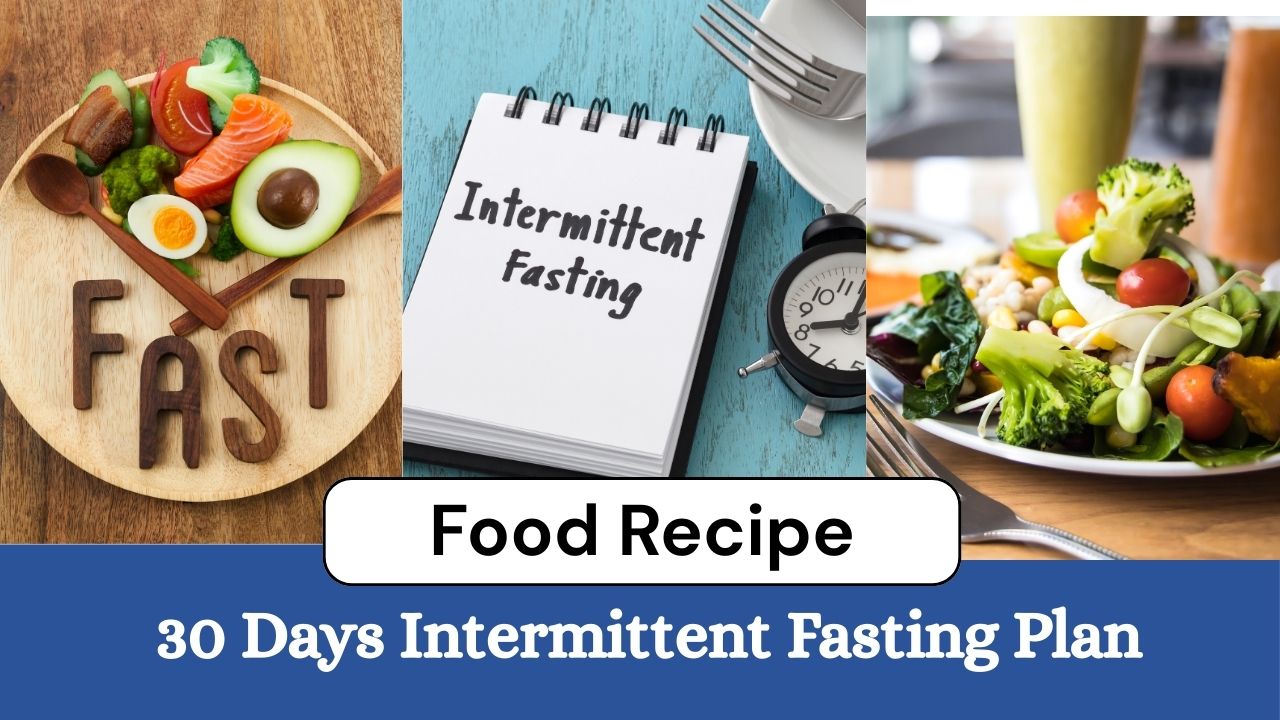
Intermittent Fasting (IF) isn’t a “diet” in the traditional sense—it’s a pattern of eating. By cycling between periods of eating and fasting, you give your body the chance to tap into stored fat for energy, improve insulin sensitivity, and boost mental clarity.
If you’ve been looking for a sustainable way to lose weight and feel better, this 30-day step-by-step intermittent fasting plan is designed to help you ease in without the “hanger” or burnout.
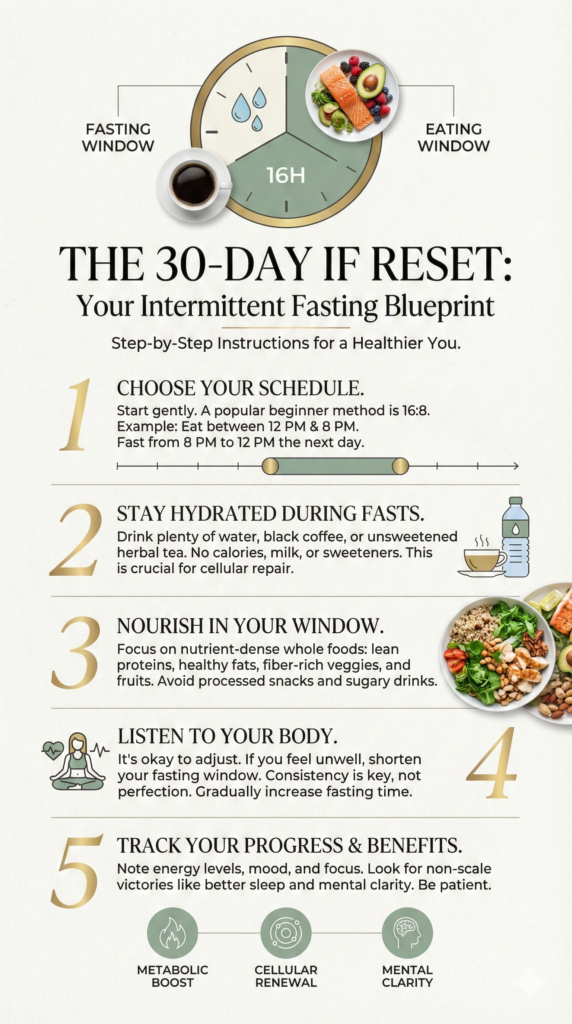
Phase 1: The Transition (Days 1–7)
Goal: Gradually adjust your biological clock.
Don’t jump into a 20-hour fast on day one. Your body needs time to adapt its hunger hormones (like ghrelin).
- The Method: 12:12 (Fast for 12 hours, eat for 12).
- Step-by-Step: * Stop eating by 8:00 PM.
- Don’t eat breakfast until 8:00 AM the next day.
- Focus: Hydration. Drink plenty of water or herbal tea during the fasting window.
- Pro Tip: Eliminate late-night snacking. This is often the hardest habit to break but offers the fastest results.
Phase 2: The Sweet Spot (Days 8–21)
Goal: Enter the “Fat-Burning Zone.”
Now that your body is used to a 12-hour break, we will move to the most popular and sustainable IF method: 16:8.
- The Method: 16:8 (Fast for 16 hours, eat during an 8-hour window).
- Step-by-Step:
- Skip Breakfast: Push your first meal to 12:00 PM (Lunch).
- Eating Window: Eat between 12:00 PM and 8:00 PM.
- Black Coffee/Tea: You can have black coffee (no sugar, no milk) in the morning to blunt hunger.
- What to Eat: Focus on high-protein meals and healthy fats (avocados, nuts) to keep you full longer.
Phase 3: Optimization (Days 22–30)
Goal: Maximize metabolic flexibility.
By now, you should notice increased energy and reduced bloating. Use this final week to tighten up your nutrition.
- The Method: 16:8 or 18:6 (if you feel ready).
- Step-by-Step:
- Prioritize Protein: Aim for at least 25-30g of protein in your “break-fast” meal to prevent muscle loss.
- Mindful Movement: Incorporate light walks or fasted cardio in the morning to accelerate fat loss.
- Electrolytes: If you feel a headache, add a pinch of sea salt to your water.
What Can You Drink While Fasting?
To keep your fast “clean” and avoid spiking insulin, stick to these zero-calorie options:
- Water (Still or Sparkling)
- Black Coffee (No cream or sweeteners)
- Green Tea or Herbal Teas
- Apple Cider Vinegar (diluted in water)
Important Safety Tips
Note: Intermittent fasting isn’t for everyone. If you are pregnant, breastfeeding, have a history of disordered eating, or have Type 1 diabetes, please consult a doctor before starting.
| Week | Method | Focus |
| Week 1 | 12:12 | Consistency and Hydration |
| Week 2 | 14:10 | Reducing Sugar Cravings |
| Week 3 | 16:8 | High-Protein Meals |
| Week 4 | 16:8+ | Long-term Sustainability |
Export to Sheets
Ready to Transform Your Health?
Intermittent fasting is a marathon, not a sprint. The best plan is the one you can stick to for more than just 30 days. Listen to your body, stay hydrated, and don’t be too hard on yourself if you miss a window—just restart the next day!