
The Ultimate Guide to Plant-Based Whole Food Plan
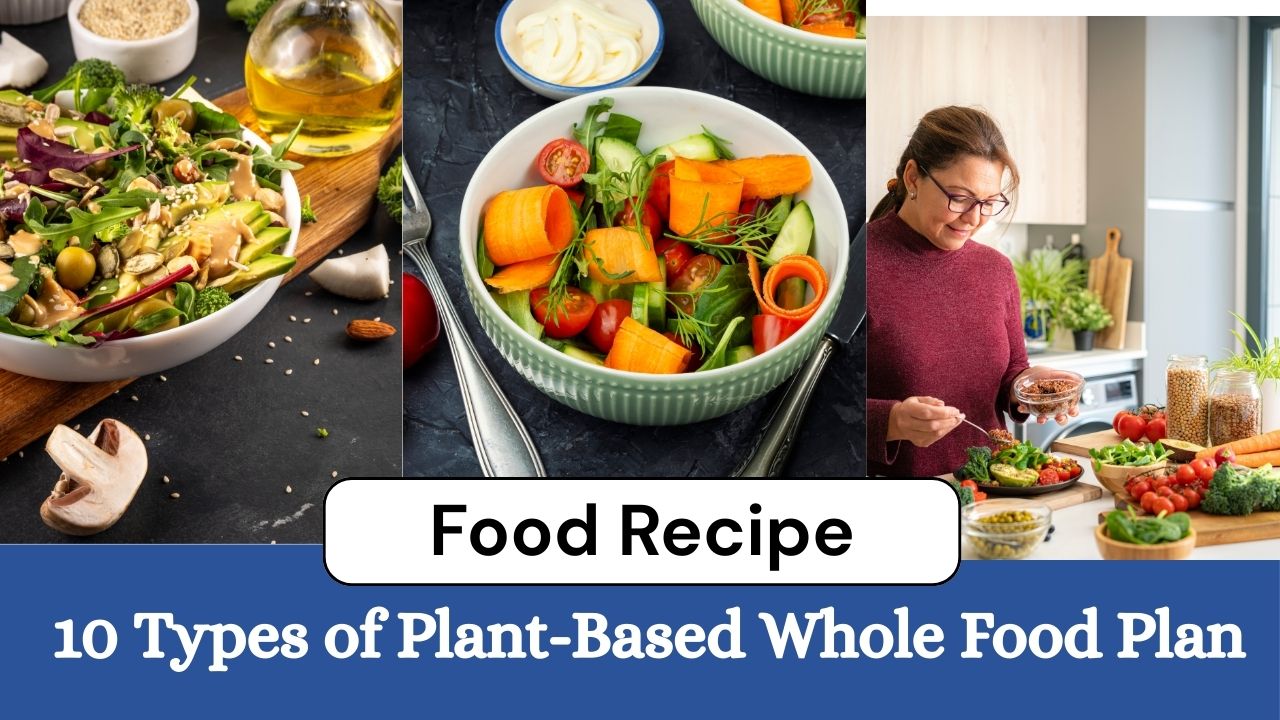
Switching to a plant-based diet doesn’t have to mean eating nothing but kale salads. From the hearty, starch-centered meals of a traditional diet to the spice-rich traditions of Ayurveda, there is a plant-heavy lifestyle for every palate and health goal.
If you’re ready to revitalize your health, here are ten unique ways to master the plant-based world.
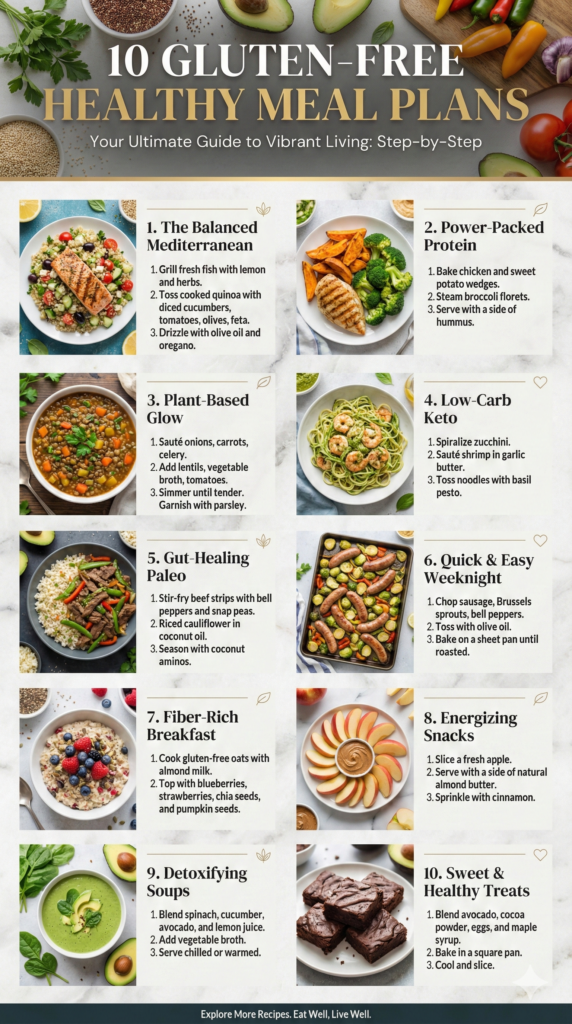
1. The Whole-Food Vegan
This is the “gold standard” for those looking to eliminate animal products entirely while avoiding processed “fake meats.”
- Step 1: Stock up on fruits, vegetables, legumes, and whole grains.
- Step 2: Replace meat/dairy with whole beans, lentils, and tofu.
- Step 3: Cook with water or broth instead of refined oils.
- Step 4: Eat a “rainbow” of colors daily to ensure nutrient density.
2. The Flexitarian Approach
Perfect for beginners, this plan focuses on plants without strictly forbidding meat or fish.
- Step 1: Start with “Meatless Mondays.”
- Step 2: Make plants the literal center of your plate.
- Step 3: Treat animal products as a garnish or side dish rather than the main event.
3. The Mediterranean-Plant
Inspired by one of the world’s healthiest regions, this focuses on healthy fats and fresh herbs.
- Step 1: Base every meal on vegetables, fruits, and grains.
- Step 2: Use Extra Virgin Olive Oil as your primary fat source.
- Step 3: Eat nuts, seeds, and herbs daily.
- Step 4: Keep fish or poultry to just a few times per week.
4. The Starch-Based Solution
Ideal for those who need high energy and a feeling of fullness.
- Step 1: Center meals on potatoes, corn, rice, and oats.
- Step 2: Add non-starchy veggies for volume.
- Step 3: Avoid added fats and oils to keep it “clean.”
5. The Raw Food (Modified)
A high-energy approach that preserves natural enzymes by keeping cooking temperatures low.
- Step 1: Incorporate large salads and green smoothies.
- Step 2: Snack on raw fruits and nuts.
- Step 3: Use soaking and sprouting for grains and legumes.
- Step 4: If cooking, keep heat below 48°C (118°F).
6. The Legume-Centric Plan
Focuses on beans and lentils as the powerhouse of the diet.
- Step 1: Include a serving of legumes in every meal.
- Step 2: Experiment with variety (black beans, chickpeas, lentils).
- Step 3: Use them in everything from hummus to hearty stews.
- Step 4: Pair with whole grains to create complete proteins.
7. The Greens-First Protocol
Designed for maximum micronutrient intake.
- Step 1: Start every lunch and dinner with a large green salad.
- Step 2: Sneak greens into smoothies and stir-fries.
- Step 3: Aim for 1 lb of cooked or raw greens daily.
8. The Nutritarian (High Nutrient Density)
Based on Dr. Fuhrman’s “G-BOMBS” principle for longevity.
- Step 1: Eat massive amounts of vegetables.
- Step 2: Eat your G-BOMBS: Greens, Beans, Onions, Mushrooms, Berries, and Seeds.
- Step 3: Eliminate salt, sugar, and oil.
9. The Anti-Inflammatory Plant
Focuses on healing the body and reducing chronic inflammation.
- Step 1: Emphasize berries, walnuts, and flax/chia seeds.
- Step 2: Spice generously with turmeric, ginger, and garlic.
- Step 3: Avoid refined sugars and processed seed oils.
10. The Ayurvedic Plant-Based
A personalized approach that balances your body type (Dosha).
- Step 1: Identify your Dosha (Vata, Pitta, or Kapha).
- Step 2: Choose grounding foods (like warm grains for Vata).
- Step 3: Use digestive spices like cumin, coriander, and fennel.
- Step 4: Eat mindfully and according to the season.
Note: Always consult a healthcare professional before making significant dietary changes.